Welcome to Risdacon Fitness Co., Ltd.



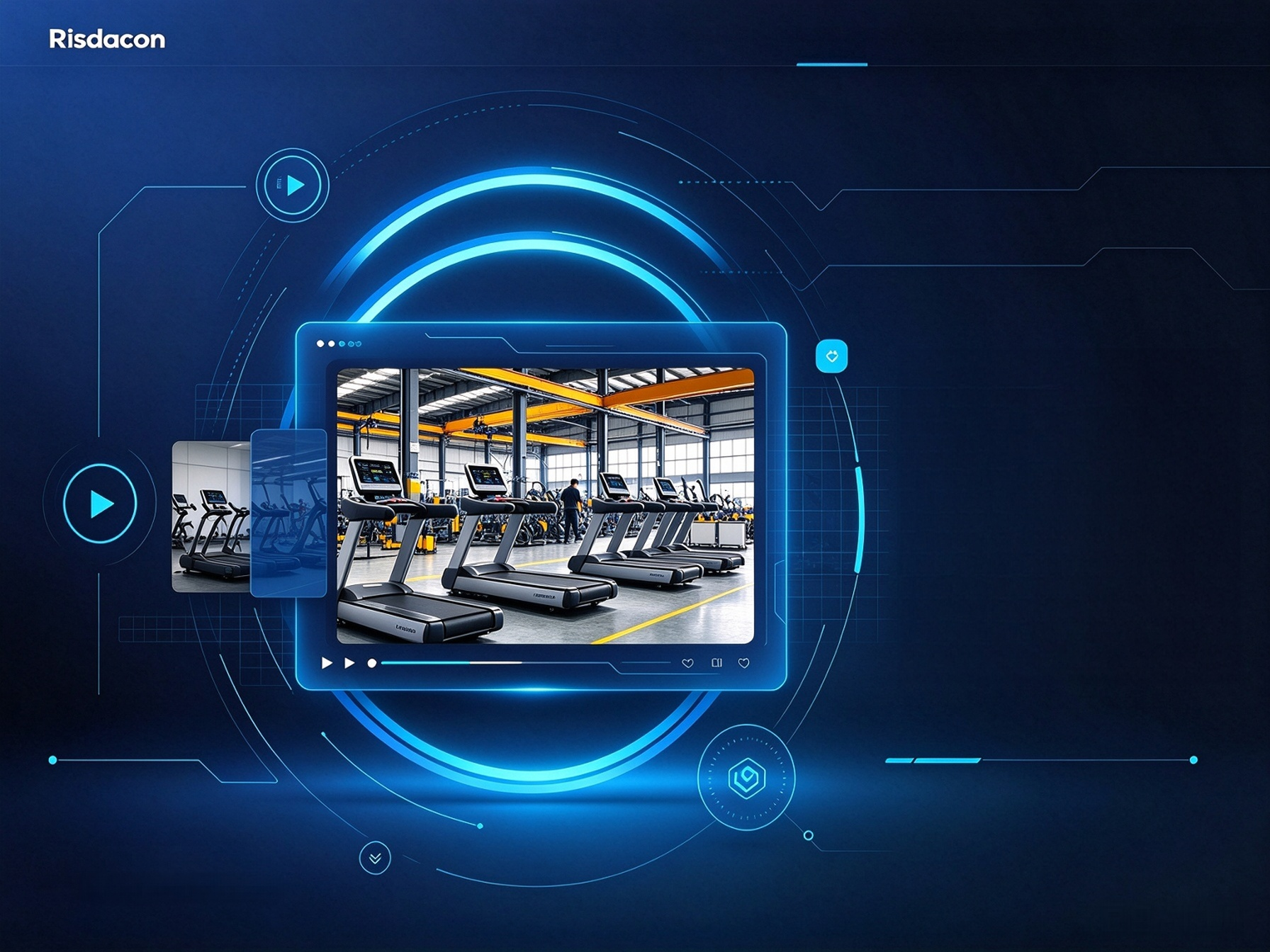



Fitness Equipment Maintenance: Keep a Clear Record
Release time:
2026-09-22
Author:
Chloe
Commercial fitness and rehabilitation equipment constitutes long-term fixed assets; systematic management of cleaning, inspection, and maintenance records is essential for ensuring safe operation, extending equipment lifespan, and mitigating operational risks for the facility. This article outlines the approach to establishing a standardized equipment inspection log and highlights key points for routine maintenance.
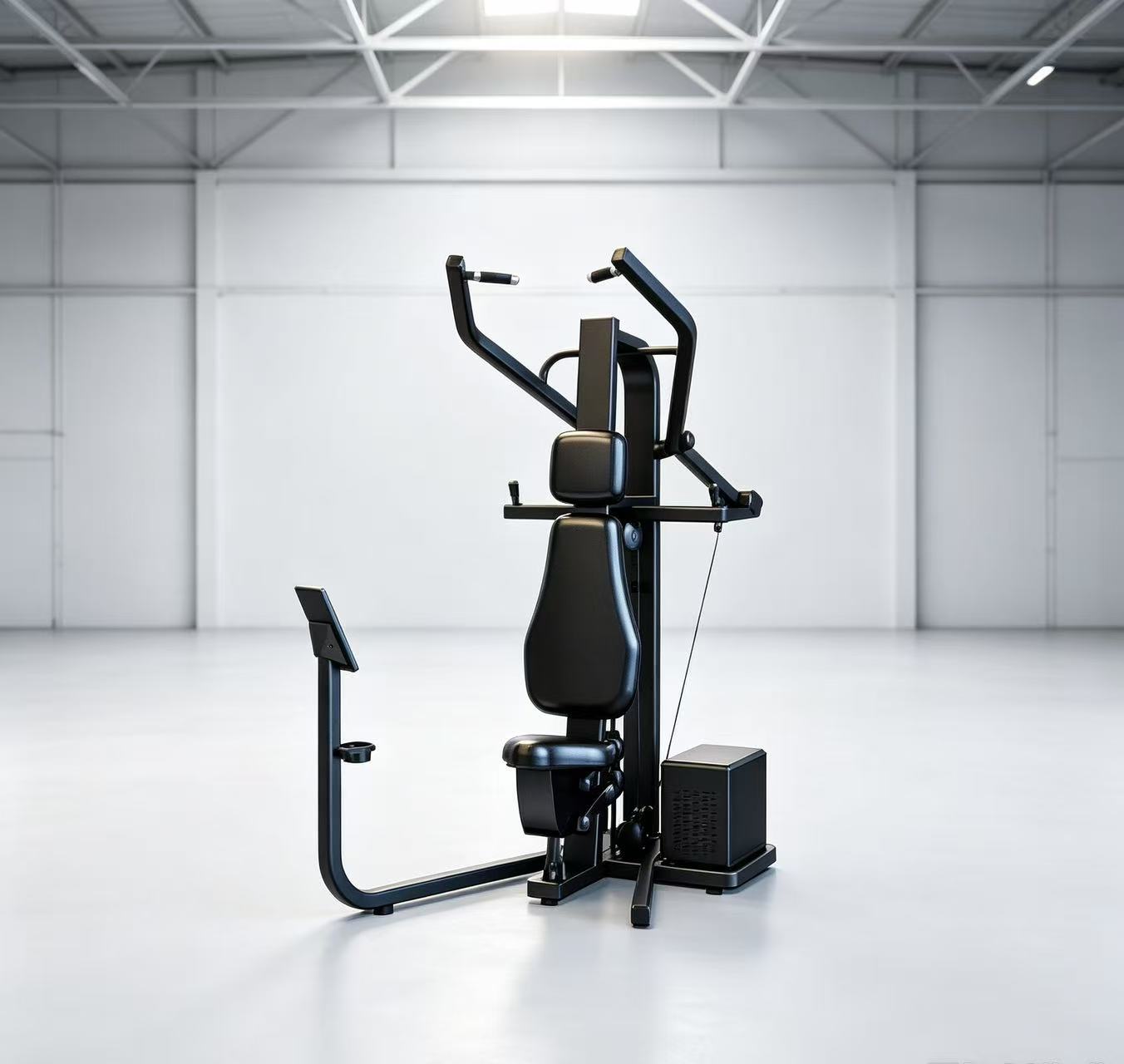
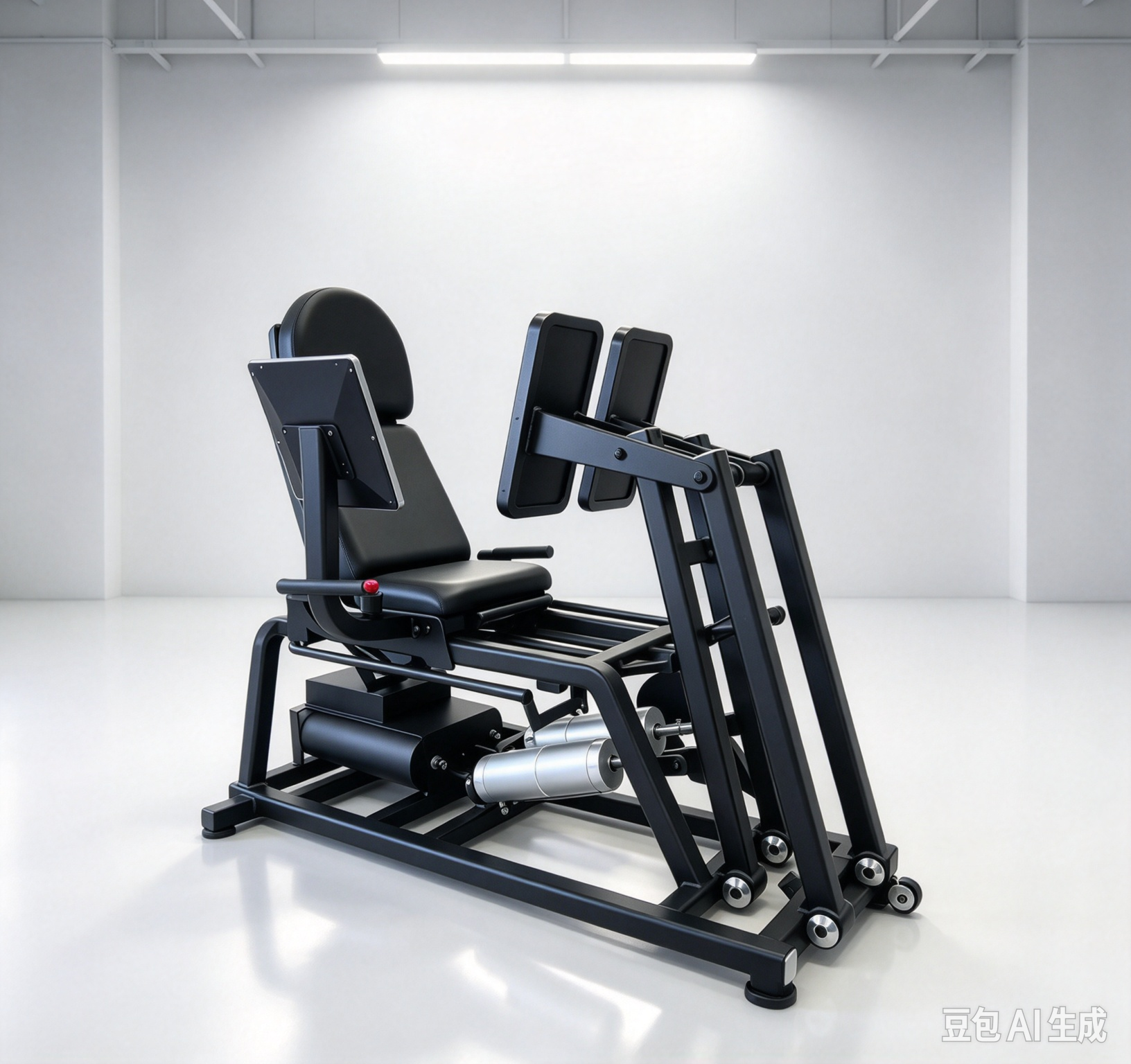
Smart strength machines and pneumatic training equipment in gyms, rehabilitation centers, and wellness facilities endure high-frequency usage; over time, this leads to latent issues such as loose fasteners, worn upholstery, aging pneumatic components, and deteriorating wiring. Many facilities wait until equipment suffers a total breakdown before performing repairs, resulting in service interruptions, higher repair costs, and even safety risks for users. Implementing a standardized, ongoing equipment inspection record system allows facilities to shift from reactive repairs to proactive preventive maintenance.
Equipment maintenance should begin with a standardized checklist. A dedicated record file must be created for each piece of equipment, covering details such as the equipment ID, model number, installation date, inspection date, inspector's name, inspection items, issues identified on-site, corrective actions taken, and the date of the follow-up check. Routine maintenance must strictly adhere to the manufacturer's manual, including cleaning the unit, inspecting upholstery, tightening fasteners, checking pneumatic and electrical systems, testing resistance mechanisms, and verifying screen functionality. Different types of equipment have specific maintenance schedules that cannot be applied universally; for instance, smart pneumatic training equipment requires—in addition to exterior cleaning—regular checks of pneumatic line seals to prevent air leaks that could compromise resistance accuracy.
During routine inspections, if issues such as abnormal noises, frame instability, loose screws, cracked upholstery, damaged tubing, or touchscreen malfunctions are detected, the equipment must be taken out of service immediately. Warning signs should be posted, and the manufacturer's after-sales engineers contacted to assess the fault; facility staff are strictly prohibited from disassembling pneumatic or electronic control components themselves. Maintaining comprehensive records of every inspection, maintenance session, and repair facilitates the tracking of equipment history, helps predict replacement cycles for wear-prone parts, enables bulk purchasing of spares, and minimizes downtime caused by equipment failure.
Comprehensive equipment maintenance records are also a vital component of facility asset management. Consistent, standardized maintenance significantly reduces the likelihood of sudden equipment failure, ensures user safety, extends the service life of fitness equipment, and minimizes the substantial costs associated with frequent equipment replacement. Risdacon Fitness recommends that all partner clients establish a routine equipment inspection system and maintain proper records of maintenance activities. For clients who purchase our smart pneumatic resistance equipment, we provide standardized inspection checklists and original manufacturer maintenance manuals to assist facilities in effectively managing the equipment throughout its entire lifecycle.
Latest News